
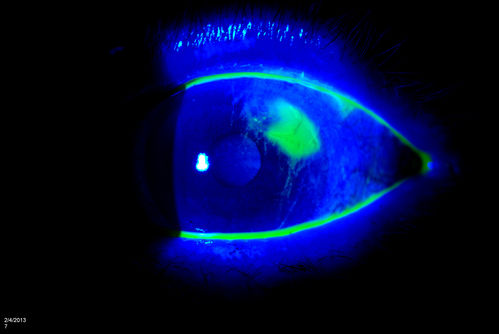
In the field of ophthalmology, dyes play a crucial role in diagnosing and treating various eye conditions. These dyes help ophthalmologists visualize structures within the eye, identify abnormalities, and perform precise surgical procedures. In this article, we’ll explore some of the most commonly used dyes in ophthalmology, their applications, and their significance in eye care.
1. Fluorescein Sodium
Description: Fluorescein sodium is one of the most widely used dyes in ophthalmology. It is an orange dye that fluoresces green under blue light.
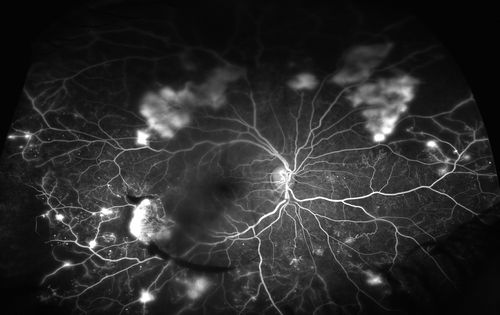
Applications:
- Fluorescein Angiography: Used to visualize blood flow in the retina and choroid, helping diagnose conditions like diabetic retinopathy and macular degeneration.
- Corneal Staining: Highlights corneal abrasions, ulcers, and other epithelial defects.
- Tear Film Breakup Time (TBUT): Assesses the stability of the tear film in dry eye patients.
- Seidel Test: Detects leaks in the cornea or sclera following trauma or surgery1.
2. Rose Bengal
Description: Rose Bengal is a pink dye that stains dead and degenerated cells on the ocular surface.
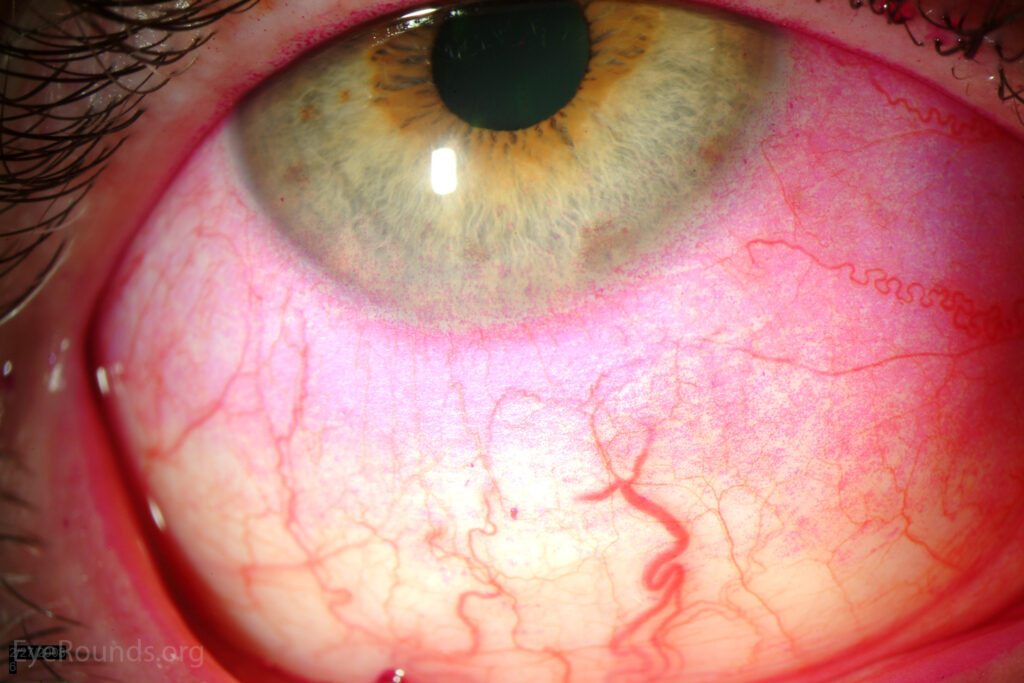
Applications:
- Dry Eye Diagnosis: Identifies damaged cells on the conjunctiva and cornea, aiding in the diagnosis of dry eye syndrome.
- Herpetic Keratitis: Helps detect viral infections of the cornea2.
3. Lissamine Green
Description: Lissamine green is a green dye similar to Rose Bengal but is less irritating to the eye.
Applications:
- Dry Eye Diagnosis: Stains devitalized cells and mucus, useful in diagnosing dry eye and other ocular surface disorders.
- Conjunctival Staining: Helps in assessing the health of the conjunctiva2.
4. Indocyanine Green (ICG)
Description: ICG is a green dye used primarily in retinal and choroidal imaging.
Applications:
- ICG Angiography: Visualizes the choroidal vasculature, aiding in the diagnosis of conditions like choroidal neovascularization and polypoidal choroidal vasculopathy.
- Surgical Use: Used in vitreoretinal surgery to stain the internal limiting membrane (ILM) and epiretinal membranes (ERM)3.
5. Trypan Blue
Description: Trypan blue is a blue dye used to stain tissues during eye surgery.
Applications:
- Cataract Surgery: Stains the anterior capsule, making it easier for surgeons to perform capsulorhexis.
- Vitreoretinal Surgery: Helps visualize the ILM and ERM during procedures3.
6. Brilliant Blue G
Description: Brilliant Blue G is a blue dye used in vitreoretinal surgery.
Applications:
- ILM Staining: Provides excellent contrast for peeling the ILM during macular hole surgery and other vitreoretinal procedures3.
Conclusion
Dyes are indispensable tools in ophthalmology, enhancing the ability to diagnose and treat various eye conditions with precision. From fluorescein sodium’s widespread use in diagnostics to the surgical applications of trypan blue and brilliant blue G, these dyes significantly improve patient outcomes. Regular advancements in dye technology continue to refine and expand their applications, ensuring better eye care for all.
Stay tuned to Eye Diary for more interesting titbits in Ophthalmology!
1: EyeWiki – Dyes in Ophthalmology 2: Review of Optometry – Vital Dyes for Dry Eyes 3: DoveMed – Dyes in Ophthalmology